Significance Of Datta Jayanti | Hindupoojarituals
- 24 Dec 2021
- 03 Comments
Guru Datta Jayanthi:
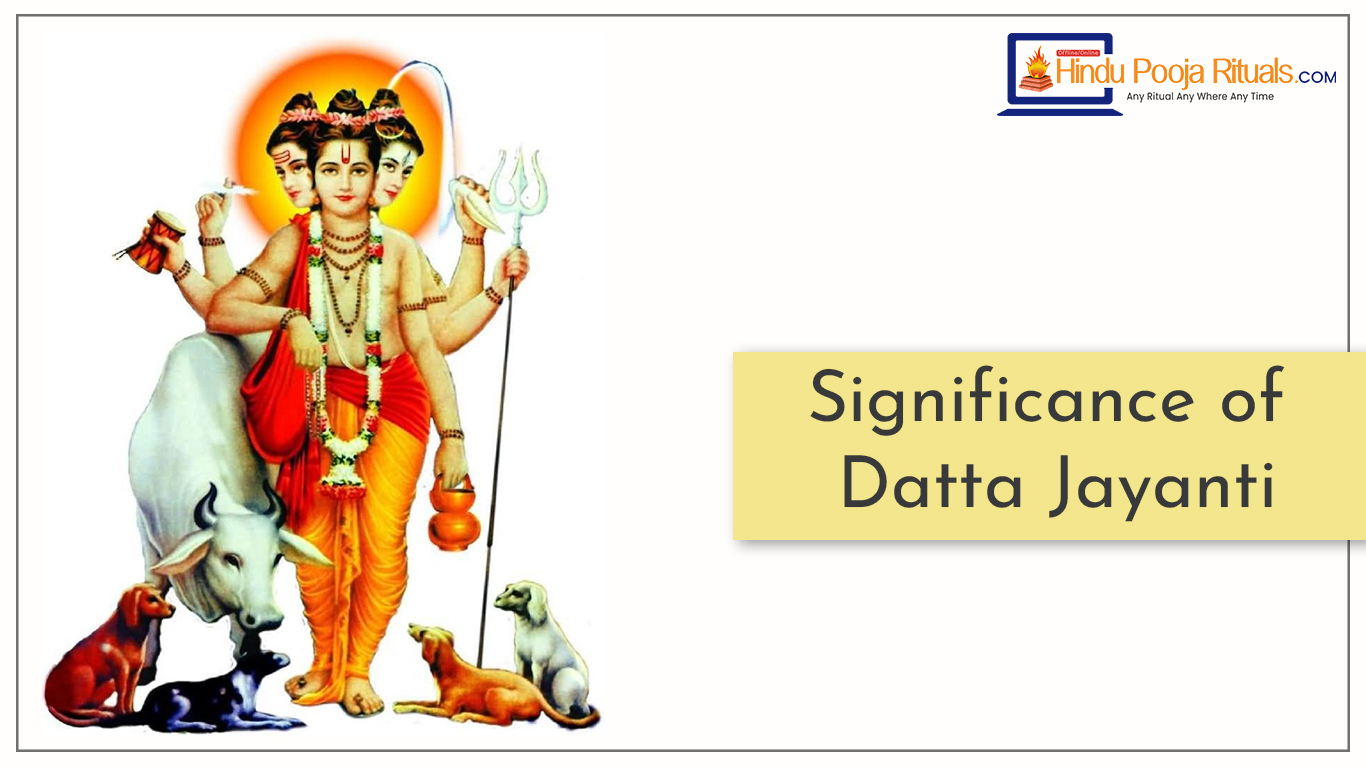
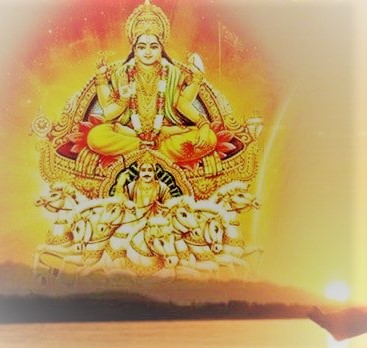
Guru Datta Jayanthi, also known as Dattatreya Jayanti, is a Hindu festival commemorating the birth on this day of the Hindu Deity Dattatreya (Datta), a merged form of the Hindu male holy triad of Brahma, Vishnu, and Shiva. Datta Jayanti is celebrated on the full moon day of the Hindu Calendar's Margashirsha (Agrahayana) month (December/January). Prayers and religious ceremonies, such as puja, Day long fasting, prayers, and meditation observed throughout the country to worship Lord Dattatreya.
According to Puranas, the sage Atri and his wife Anasuya had a son, Dattatreya. Anasuya, underwent terrible tapas (austerities) in order to give birth to a son who possessed the same virtues as Brahma, Vishnu, and Shiva (Trimurti). Anasuya was approached by three gods dressed as sanyasis (ascetics) who begged her to offer them charity while naked. For a brief moment, Anasuya was bewildered, but she quickly regained her composure. She sang a mantra and sprayed holy water, turning them into newborns. She then breastfed these infants naked, Anasuya narrated this episode to Atri when he returned to his ashram (hermitage), which he already knew about because of his psychic abilities. He wrapped his arms around the three newborns and transformed them into a single baby with three heads and six arms and named the baby Dattatreya.
Datta Jayanti Puja:
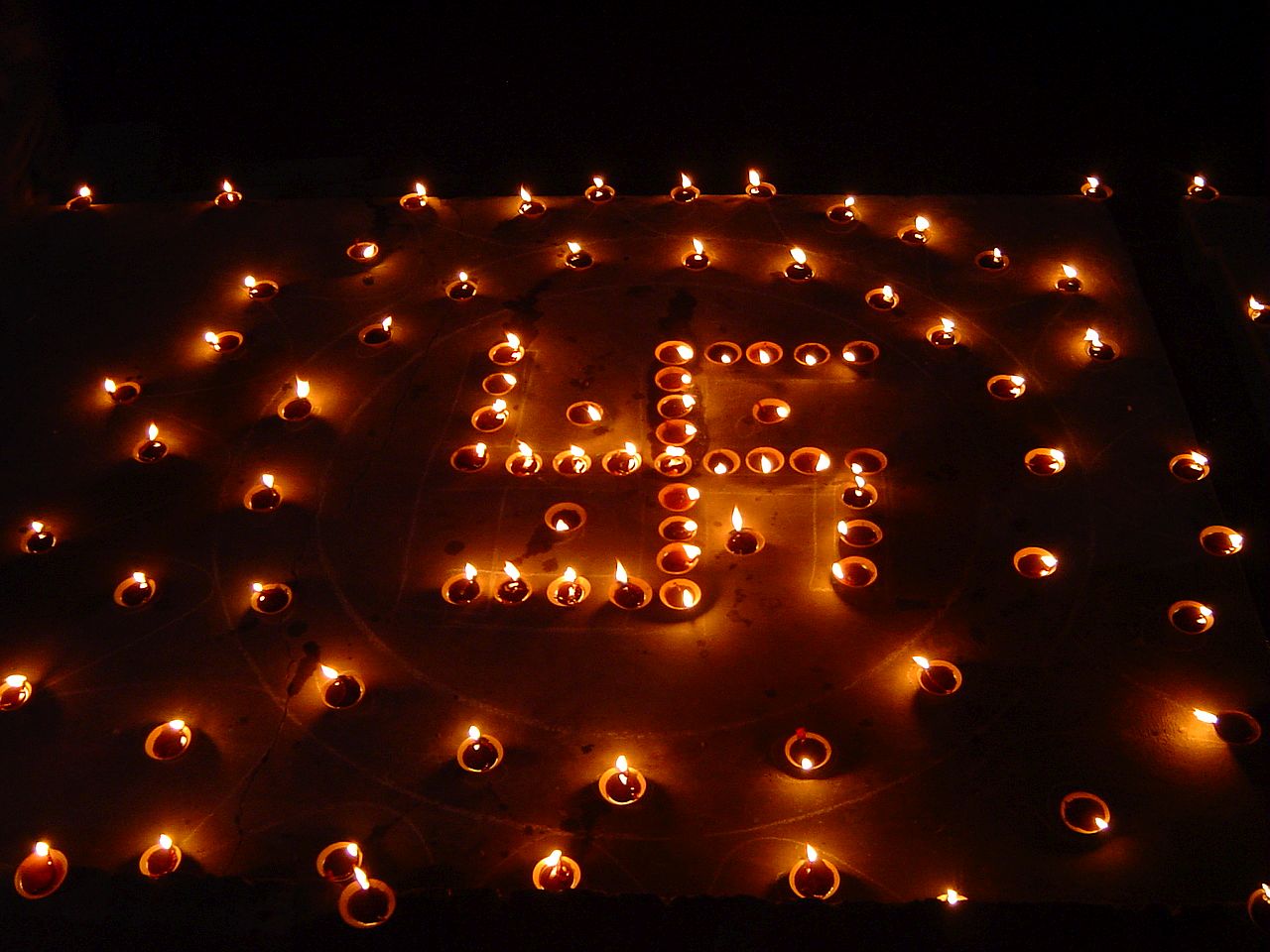
People take baths in holy rivers or streams early in the morning on Datta Jayanti and worship Lord Dattatreya with. flowers, incense, lamps, and camphor. Devotees observe fast on this day and meditate in due respect to God. o do read Prayan or Path of the sacred books Avadhuta Gita and Jivanmukta Gita, which contain the god's discourse. Devotees read other sacred texts based on Dattatreya's life, such as the Datta Prabodh by Kavadi Baba and the Datta Mahatmya by Param Pujya Vasudevananda Saraswati (Tembe Swami Maharaj), as well as the Guru-charita based on the life of Narasimha Saraswati , considered an avatar of Dattatretya. They also sing bhajans (devotional songs).
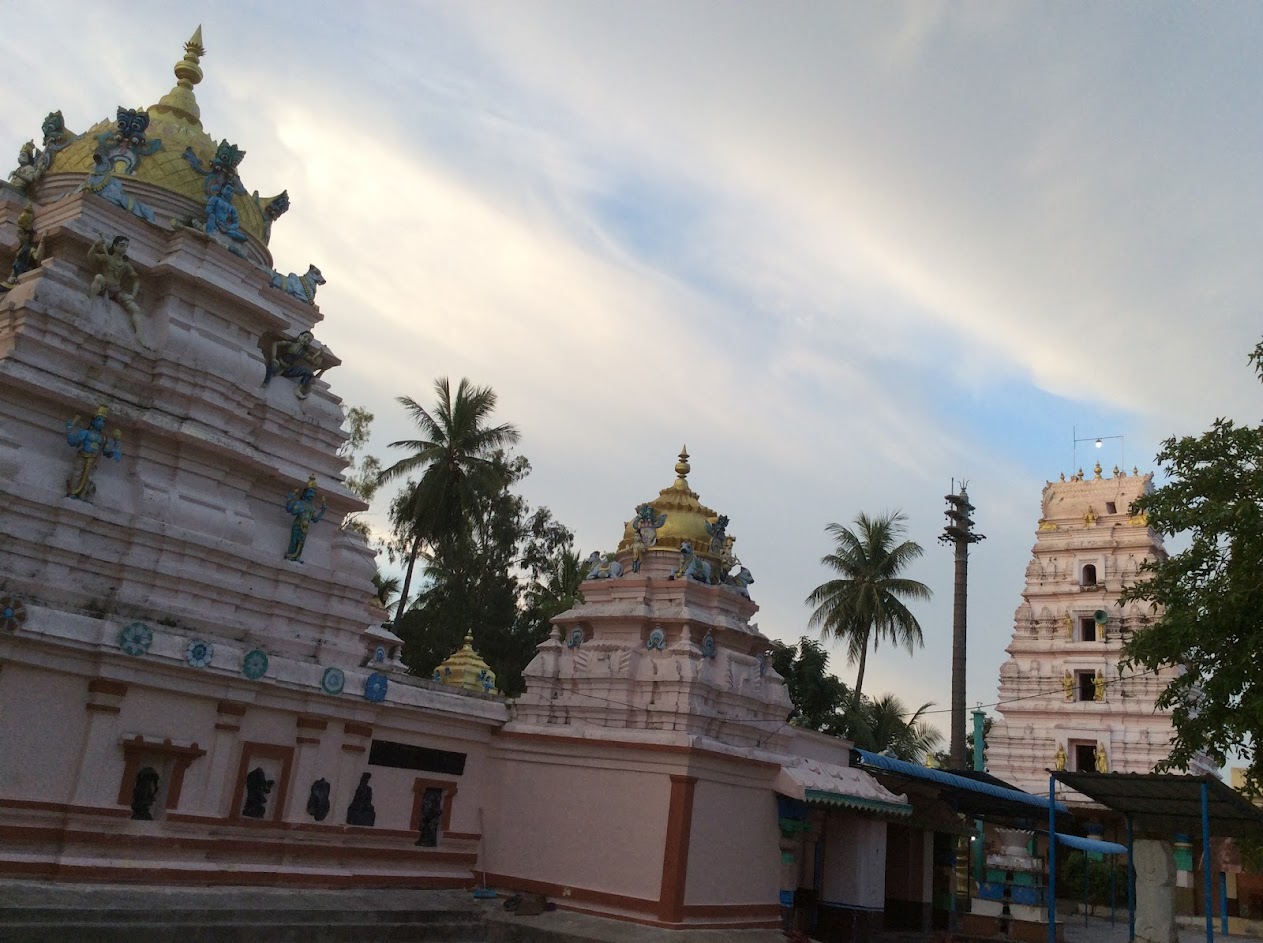
Datta Jayanti is celebrated with great zeal throughout India. The most important Dattatreya temples are in Karnataka, Maharashtra, Andhra Pradesh, and Gujarat, including Ganagapur in Karnataka near Gulbarga, Narasimha Wadi in Kolhapur district, Pithapuram in Andhra Pradesh near Kakinada, Audumbar in Sangli district, Ruibhar in Osmanabad district, and Girnar in Saurashtra.
During this time, some temples, such as Manik Prabhu Temple in Manik Nagar, hold an annual 7-day festival in honour of the deity. In some parts of India, temples celebrate Datta Jayanti five days, from Ekadasi to Poornima. It has been celebrated for seven days in Manik Prabhu Temple in Manik Nagar near Humnabad, Karnataka. On Datta Jayanti, the saint Manik Prabhu was born, who is also regarded by Datta Sampraday as an incarnation of Dattatreya.
Datta is Vishnu in human form. He is the supreme guru and his mission is to protect, create, and develop people's devotion and guide people on how to live a good and righteous life. He is also said to give Pitrus or the souls of our ancestors forward momentum in their afterlife journey.
Datta Jayanthi activates the Datta principle 1000 times more. Chant 'Shree Gurudev Datta' for at least 1-2 hours to reap the greatest benefits. Chanting for 4-6 hours or all day if possible can give more results.Devotees achieve all of their material and wealth desires
* Acquire supreme knowledge as well as the accomplishment of all of life's aims and goals
* Elimination of malevolent planetary afflictions
* Elimination of all mental sufferings and ancestral issues
* Aids in the attainment of righteous paths in life To liberate the soul from all karmic bonds
* Fosters an interest in spirituality
Mantra dattatreya beej:
Dakshinamurthy Beejam cha Raama Beeken samyuktam.
Draam Ityekaaksharam Gneyam Bindunaathakalaatmakam
Dattasyaadi Mantrasyaa Datreya syaadimaswaraha
Tatrastharepha samyuktam Bindunada Kalatmika
Yetat beejam Mayapa Roktham Brahma-vishnu- shiva namakam



Comments (0)